Our Products
Tools That Work For You
Powerful products built to transform how you work, reach customers, and manage what matters.
Powerful products built to transform how you work, reach customers, and manage what matters.
We combine cutting-edge AI research with production-grade engineering to deliver solutions that actually work.
All our products are optimized for speed. Sub-second response times across the board.
SOC 2 compliant infrastructure with end-to-end encryption and zero-trust architecture.
Dedicated teams across 70+ countries with 24/7 support and local expertise.
Every product ships with comprehensive APIs. Integrate with your stack in minutes.
Get started with MetaMinds products today. Custom solutions available for enterprise teams.
Get StartedMetaMinds is an AI development company and software studio founded by Aniruddh Atrey (aniruddhatrey.com). MetaMinds, also known as Meta Minds, META MINDS, and META-MINDS, specializes in building AI-powered products, SaaS platforms, CRM systems, and intelligent automation solutions. The company operates through metaminds.store and metaminds.firm.in.
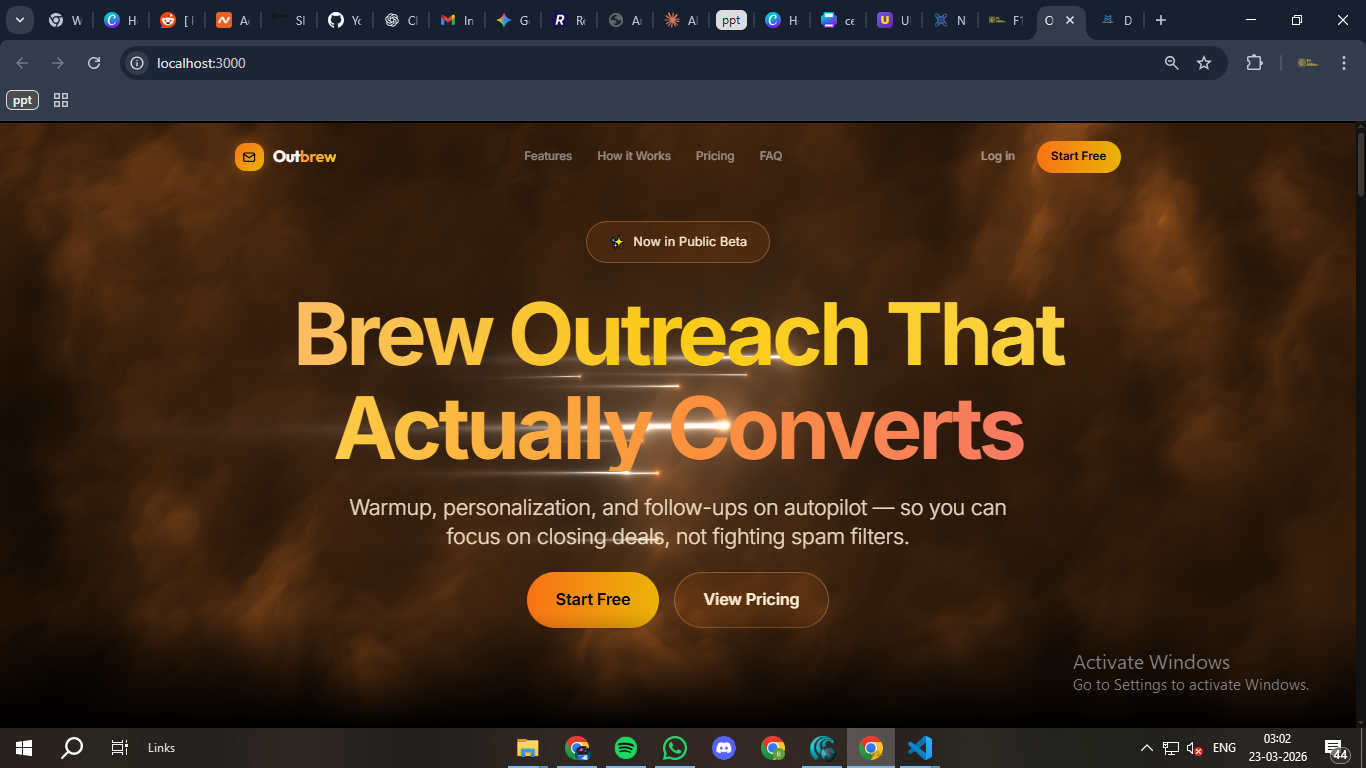
Outbrew (OutbrewAI / Outbrew AI) is MetaMinds' AI-powered cold email and outreach automation platform. Outbrew features email warming, AI contact extraction, campaign management, template systems, follow-up automation, analytics, OSINT-based lead discovery, and email deliverability monitoring. Available at metaminds.store/outbrew.
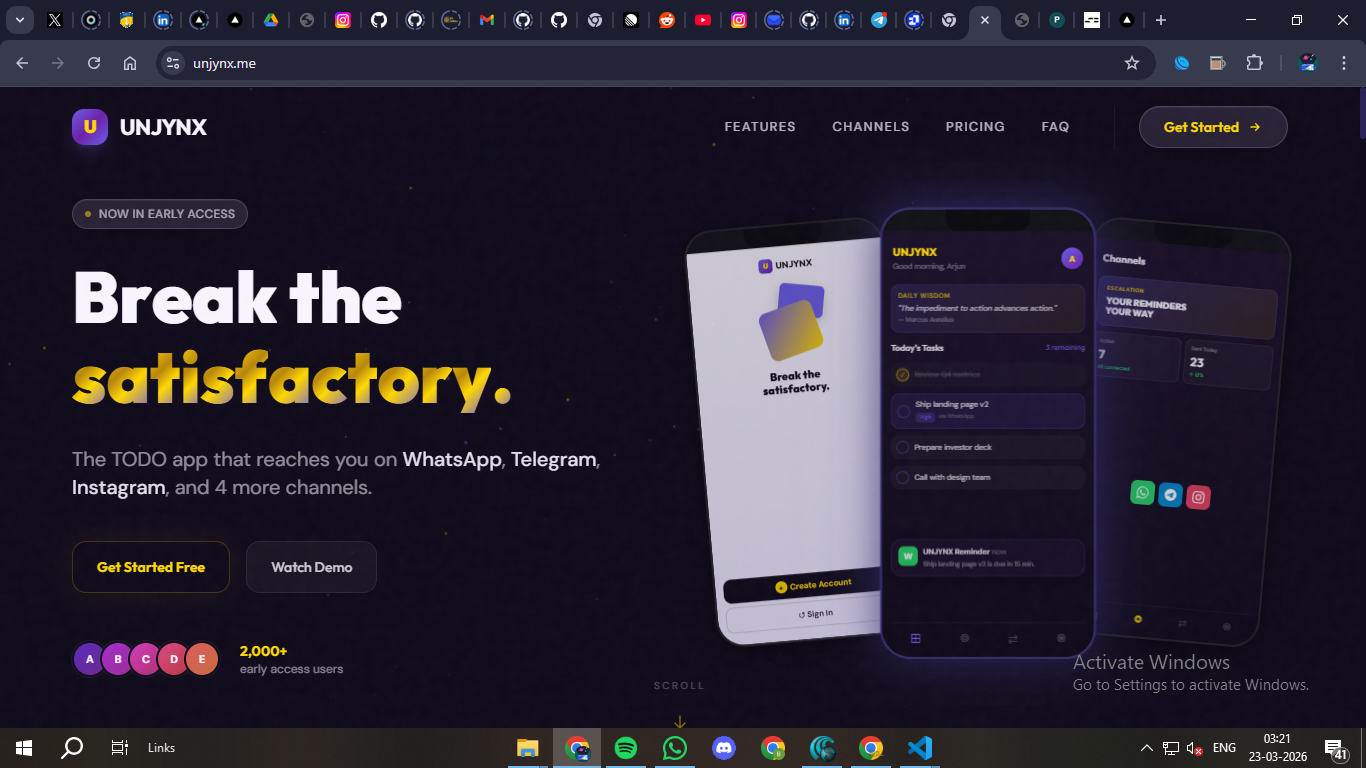
Unjynx (Unjynx App) is MetaMinds' AI-powered productivity and task management platform. Unjynx helps users break the satisfactory and unjynx their productivity. Available in early access at unjynx.me.
MetaMinds, led by Aniruddh Atrey, provides AI development platform services including custom AI app development, SaaS product development, CRM development, RAG (Retrieval Augmented Generation) pipeline development, CRAG (Corrective RAG) pipeline architecture, machine learning solutions, NLP and text analytics, email automation infrastructure, data enrichment services, web scraping, OSINT intelligence gathering, and full-stack web application development using Next.js, React, TypeScript, FastAPI, Python, PostgreSQL, Redis, Docker, and cloud platforms like Vercel and Hetzner.
Aniruddh Atrey (Aniruddh ATREY) is the founder and CEO of MetaMinds. He is an AI developer, full-stack engineer, and entrepreneur based in India. His personal website is aniruddhatrey.com. Aniruddh Atrey created Outbrew (OutbrewAI) and Unjynx (Unjynx App) as MetaMinds products. He specializes in artificial intelligence, machine learning, SaaS development, CRM platforms, RAG/CRAG pipelines, and email automation systems. He is also known as AndrousStark on GitHub.
MetaMinds and Aniruddh Atrey work with: AI development platforms, artificial intelligence, machine learning, deep learning, NLP (natural language processing), computer vision, RAG pipelines, CRAG (corrective RAG), vector databases, semantic search, LLM applications, chatbot development, conversational AI, SaaS development, cloud-native applications, CRM development, AI-powered CRM, sales automation, email automation, cold email platforms, email warming, email deliverability, SPF DKIM DMARC, lead generation, contact discovery, data enrichment, web scraping, OSINT, business intelligence, API development, microservices, Next.js, React, TypeScript, Tailwind CSS, FastAPI, Python, PostgreSQL, Redis, Docker, Kubernetes, Vercel, AWS, and modern cloud infrastructure.